Charity: Why Keeping the Egotistic ‘Left’ in the Dark Saves the Anonymous ‘Right’
Exploring Prophetic and biblical wisdom reveals that keeping charity secret protects the soul from ego, turning giving into pure humility.

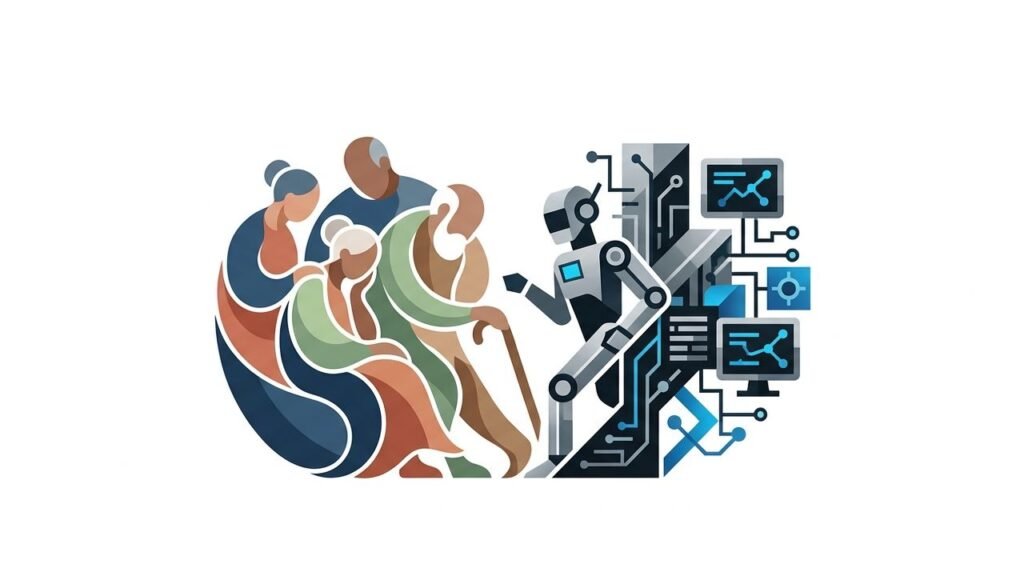
The traditional hierarchy of age and experience is currently undergoing a critical transformation. We are witnessing a quiet revolution where youth distance themselves from the authority of parents, teachers, and long-standing social values. This shift represents a fundamental change in the sociological contract, moving from a ‘wisdom-based’ society to one rooted in ‘data-driven’ autonomy.
Historically, societies functioned through vertical authority. Knowledge and behavioral norms passed down from elders to the youth to create a sense of continuity. Today, that vertical line has fractured. The youngsters view themselves as the sole architects of their own identity, treating life as a DIY project. In their eyes, advice from a parent regarding a career or a teacher’s perspective on ethics feels like an infringement on personal sovereignty.
This collective defiance marks a transition where tradition appears as an anchor holding back individual progress. In diet, fashion, and moral philosophy, the youth prioritize the immediate present. They view the interventions of elders as relics of a more controlled time.
A fascinating shift occurs the moment these same individuals open their smartphones. The generation that bristles at a mother’s dietary suggestion follows a fitness app’s meal plan with total confidence. They ignore a father’s financial warnings while simultaneously entrusting their mental health struggles to an AI chatbot in the middle of the night.
This horizontal shift in trust reveals that a chatbot is perceived as a peer or a digital mirror. Sociologically, the chatbot appeals to the user because it removes the power dynamic inherent in human relationships. Advice from an elder is burdened with emotional baggage, expectations, and the weight of tradition. By contrast, AI provides data-driven suggestions devoid of disappointed sighs or personal history. To the modern youth, the chatbot is a tool for empowerment. It allows the user to feel they remain in control, occupying the role of a tool-user even while following a script written by developers and data sets.
The irony of this social rebellion lies in its replacement. While celebrating freedom from human authority, we increasingly outsource our free will to lines of code. We ask AI what we should eat, how we should word our emails, and which partners we should date based on compatibility algorithms.
By trading the guidance of parents for the logic of algorithms, we have entered a state of ‘soft’ governance. Human authorities are visible, fallible, and open to debate. A parent’s advice is open to argue with, reject, or negotiate. AI authority is seemingly objective, and incredibly persuasive. It uses ‘recommendations’ that the user eventually adopts as original thoughts. When an algorithm dictates a morning routine or shapes a political thought, it does so without the friction of a face-to-face argument. This lack of friction builds the very road we walk on while we celebrate our supposed freedom.
I suggest we must question if AI is mastering our destinies or quietly enslaving our minds. Reaching a point where we cannot choose a morning coffee or resolve an emotional trauma without a digital prompt suggests a loss of true freedom. It appears we have traded the wisdom of experience for the convenience of an interface.
The challenge for the modern generation is to reclaim their thoughts from the sycophantic digital systems. Moving forward requires a critical understanding of how code now performs the strategic role once held by community elders. We simply cannot afford to replace our revered elders with Algorithmic Aldermen. Period.
April 29 2026
Mujeeb Jaihoon explores themes of universal love,
deeply embedded in a disruptive spiritual worldview.
Exploring Prophetic and biblical wisdom reveals that keeping charity secret protects the soul from ego, turning giving into pure humility.
Each moment is a sacred reflection inviting us to honor the gift of life—writes Mujeeb Jaihoon
Modern technology is fundamentally engineered to exploit and automate human impatience, argues Mujeeb Jaihoon
Contrary to modern career advice, admitting mistakes fosters chivalry and accountability, serving as a vital tool for professional growth.